
Women are the backbone of the community, facilitating the movement of information and lending support that transcends fences, kitchens and church pews. It is a system that has been in place for generations, yet often overlooked, until now, as an inquiry in Highfield has brought it into focus.
Meet Mai Tafadzwa, a soft-spoken mother of three who breaks bread with her neighbours every morning at a shared sink between their homes. It is a daily ritual that sets the tone for the day, as they exchange stories, advice and gossip.
“Musha mukadzi,” she says with a smile, “a woman is the backbone of the home.” “We pass constructive information on how to build our homes through the fence,” she said.
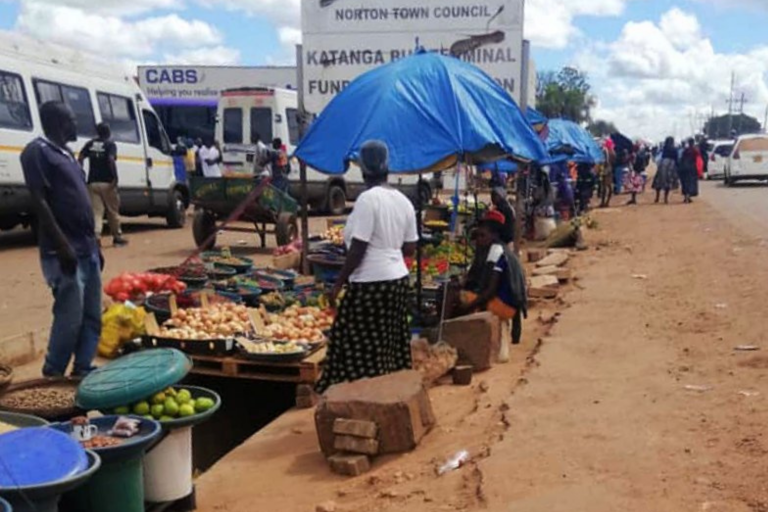
This informal network is more than just chatter; it is a lifeline. Women like Mai Tafadzwa use these exchanges to mobilise support, share resources and initiate projects. From vegetable gardens to market stalls, these “fence whispers” are translating into tangible outcomes, evidence of how community-driven initiatives can act as catalysts for change.
Walking through the narrow streets of Highfield, one notices well-kept gardens tended by women who call this place home, a testament to their resilience, resourcefulness and commitment to building better lives.
But the impact extends beyond economics; it is also about empowerment.
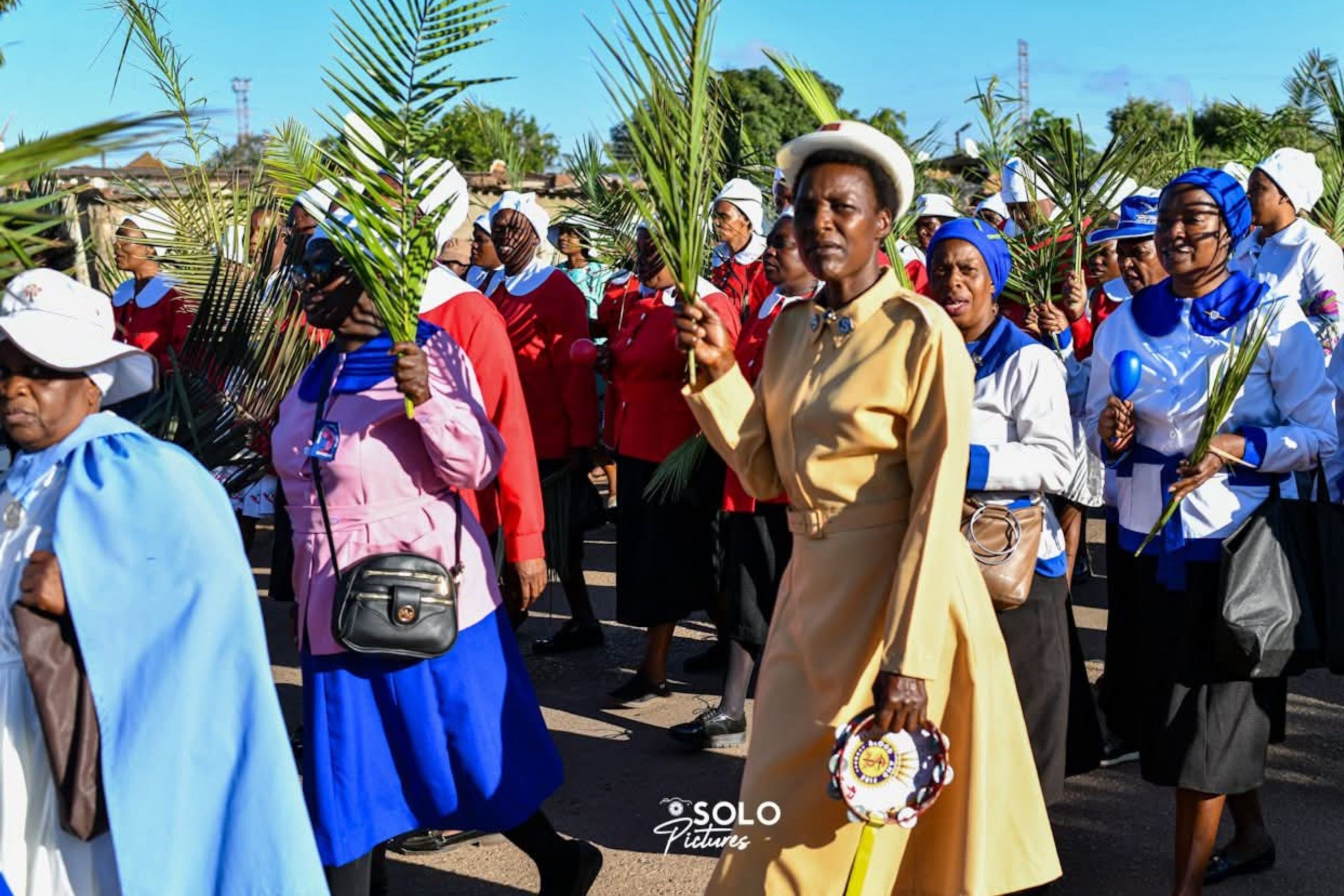
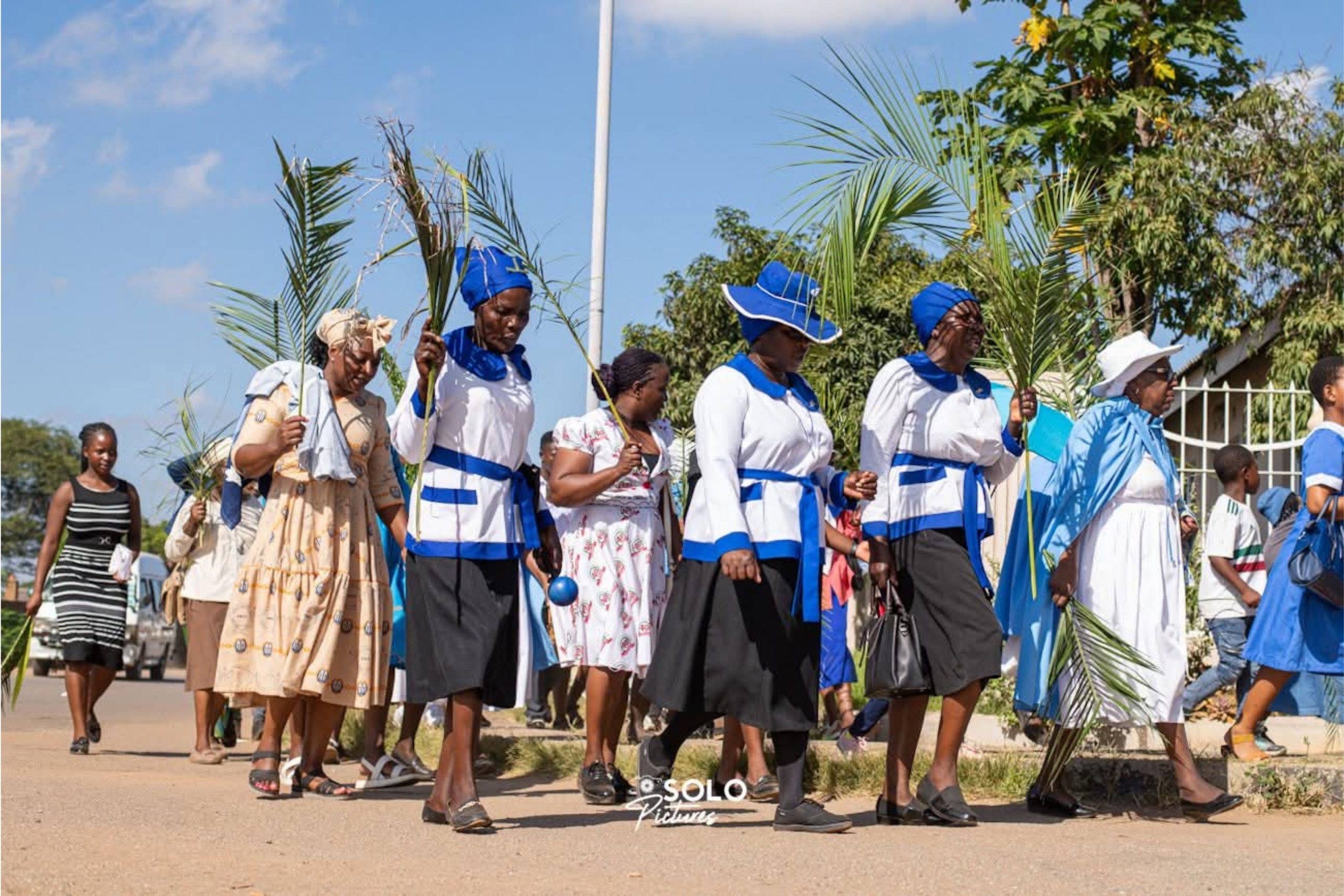
Through Ruwadzano, a weekly gathering of women from the Methodist Church and other denominations, participants find a safe space to discuss everything from marital challenges to broader community concerns.
“These platforms are good,” says Gogo Mawere, a seasoned Ruwadzano member. “We’ve been married for 20 years, and Ruwadzano has been a focal point of my life,” she said.
Ruwadzano is more than a gathering—it is a support system. A platform where women share experiences, navigate challenges and celebrate triumphs together. It reflects the enduring power of women supporting women.
As Zimbabwe grapples with economic challenges, these women are quietly leading adaptive, community-based responses. Their efforts create ripple effects—encouraging collective action and strengthening social resilience.
Crooked Lanes Media has recently turned its attention to these often-overlooked networks, documenting the role of fence whispers and Ruwadzano in shaping community development.
“Societies are built differently, but the same system exists—not only in Highfield, but in other townships,” says Takudzwa Mawere, a Highfield, Lusaka resident. “It is a testament to the power of community, and the role that women play in shaping it,” he said.
As Mai Tafadzwa puts it, “We’re building a community, one fence at a time.”
Ultimately, this story is not just about fences or whispers; it is about the enduring strength of community, the central role of women, and the quiet systems that sustain everyday life.