
Two things can be true, but drug use as a way to gain confidence in church seems like a stretch. One is often associated with moral guidance and spiritual growth, the other with social harm.
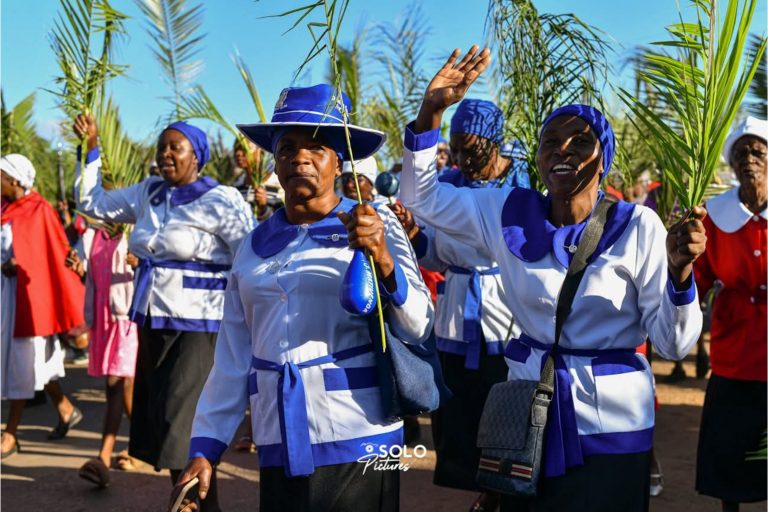
In Katanga, one of the oldest high-density suburbs in Norton, some young people are quietly navigating the tension between these two worlds. Some admit to using drugs to mask insecurity and gain the confidence to speak, sing, or participate during church gatherings.
Church leaders, youths and health workers say the story is not only about challenges, but it is also about hope, support and emerging efforts to guide young people in a positive direction.
Craig, not his real name, is one of the youths who shared his experience. He said that sometimes young people feel shy or afraid to speak in front of others in church.
“Sometimes we want to participate, but we feel nervous. Some youths think taking something first will give them confidence,” he said.

Some of the substances used include cannabis, commonly known as mbanje, as well as cough mixtures like bronco. Others sniff products such as shoe polish to feel high. After taking these substances, some youths say they chew mints to hide the smell.
Craig explained that the drugs are easy to find.
“You can buy them for 50 cents, one dollar or two dollars, depending on what you want,” he said.
Tatenda, another youth from the community, said peer pressure also plays a role.
“Sometimes friends influence each other. Someone may say this will help you feel brave to talk or sing in church,” he said.
Despite this, many young people are beginning to speak more openly about the issue and are seeking healthier ways to build confidence.
Chipo, a youth in the church, believes encouragement is key.
“Some youths are just afraid to stand in front of people. If we support each other and practice speaking together, it becomes easier,” she said.
Health professionals say drug use among youths often begins with seemingly small pressures, such as fear of embarrassment or the need to belong.
A local health worker said young people need a safe space where they can openly discuss their fears and challenges.
“When youths feel supported, they are less likely to turn to substances for confidence,” the health worker said.
Church leaders in Katanga say they are taking steps to address the issue. Some, who requested anonymity, said they have introduced anti-drug awareness discussions for youths.
“We are encouraging young people to build confidence through prayer, mentoring and youth programs,” one church leader said.
Christpen, another youth member, said these initiatives are already making an impact.
“We now have youth discussions where we talk openly about drugs and other challenges. It helps us support each other,” he said.
Zimbabwe has, in recent years, seen growing concern over substance abuse among young people, particularly in communities and schools. In response, the government has called for stronger action to promote a drug-free generation. The President and the Minister of Youth have publicly condemned drug and substance abuse and continue to advocate for national programmes focused on prevention, awareness and rehabilitation.
Some churches in Katanga say they are aligning with these national efforts by promoting anti-drug campaigns within their congregations and communities.
These initiatives aim to educate young people about the risks of substance abuse while encouraging healthier alternatives such as music, sports and public speaking practice.
Community members say such efforts demonstrate the important role faith-based institutions can play in guiding young people.
While the pressures facing youths in Katanga remain significant, many believe that increased dialogue and community-driven initiatives are a meaningful step forward.
For young people like Craig, the message is becoming clearer:
“We are learning that real confidence does not come from drugs,” he said. “It comes from support, faith and believing in yourself.”