
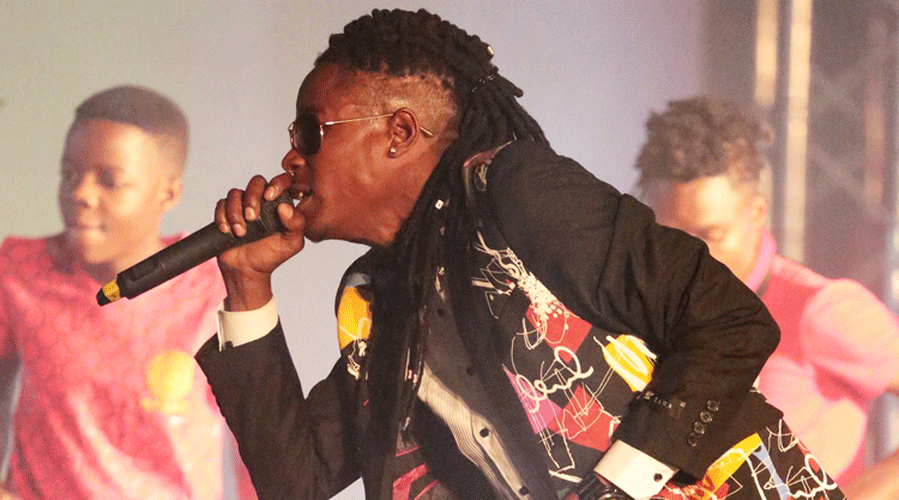
Five years ago, the youth of Highfield lost more than a musician. They lost their fuel, motivator, and a mirror.
Zimdancehall star Soul Jah Love, born Soul Musaka, succumbed to his decades-long battle with diabetes on 16 February 2021. For weeks, Zimbabweans mourned the loss of a voice that had come to define an era.
On this fifth anniversary of his passing, Township turns the lens on the youth of Highfield, the community he called home, to reflect on the legacy he left behind.
Renowned for his signature chants and commanding stage presence, Soul Jah Love, affectionately called “Chibaba,” built a decade-long career marked by instant hits and chart-toppers, including “Ndini Uya uya” and “Pamamonya Ipapo.” While his early roots in urban grooves are less frequently discussed, his impact on Zimdancehall remains monumental.
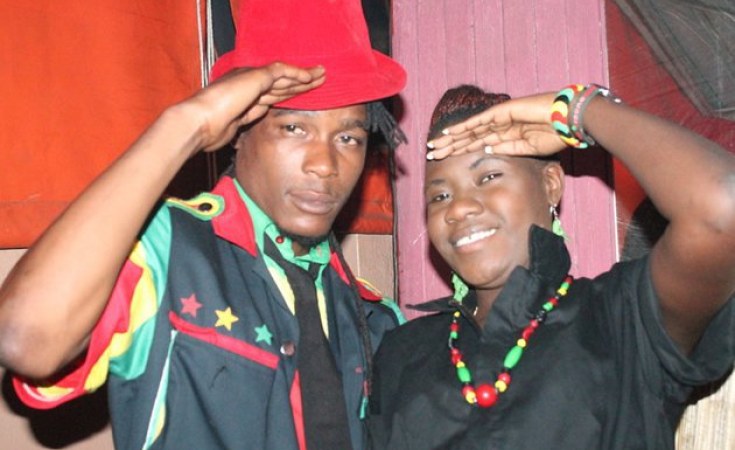
Soul Jah Love endured profound personal loss: his mother when he was a toddler, his twin brother John when he was 15, and his father at the age of 16. He quickly became a voice that resonated deeply with Highfield’s youth, singing of hardship, spiritual wrestling, abandonment, and resilience. His life story paralleled the themes woven into his music, lyrics that carried the lamentations of being dealt a difficult hand in life, and finding solace in music.
Perhaps that is why so many saw themselves in him.
In a chilling instance of life echoing art, his posthumously released track “Ndichafa Rinhi” (“When Will I Die?”) chronicles his struggles and feelings of abandonment, wrestling with despair and a longing for rest.
For many youths in Highfield, their “ghetto yutman” understood their pain.
“Music from him was our daily bread,” says Takudzwa Chirimo, a fan from Highfield. “I still remember him for the love and support he had. Soul Jah anga ane one love — Soul Jah Love embodied love. His death left a void. I will not see, in any ghetto, a man like Soul Jah Love. His music not only had vibe, but it carried a deeper message.”
Chirimo pauses before quoting lyrics that remain etched in his memory:
“Pamuchashafa mutumbi wangu, mozovaudze Sauro igafa.” / “When you bury my remains, please tell them that I was a legend.”
In his heart, he says, Soul Jah Love will always be the “gafa.”
At Coconut Bar in Engineering — a long-standing fixture in the neighbourhood, DJ Taps reflects on the artist’s lasting imprint.
“Music moves fast. Tunes change. But Soul Jah Love’s songs are the foundation. We don’t talk about Zimdancehall without mentioning Sauro.”“We can’t open the bar and close the bar without playing his songs. That was the impact of his music. Nowadays, there are a few songs and artists people say are filling Soul Jah Love’s void. Chibaba-Baba took his style with him. No one will ever replace him. There will always be one Soul Jah Love — the only one who told and sang the truth.”
Tinotenda, who declined to give his surname, agrees.
As he prepares for a game of pool near Lusaka market, he recalls how the area once felt like the first radio station for Sauro.
“We would sit as a group and play his songs. We would discuss the music. He was one of us. No one ever thought of him as an outsider. The music came from the heart. Nowadays, when I think of singing, someone just goes to the studio and sings.”
In “Ndichafa Rinhi,” Soul Jah Love sings:
“Vakare vaiti rufu ndimadzongonyodze” / “Our elders used to say death is a destroyer”
“Vanhasi vanoti rufu ndimazorodze,” / “But people today say death is a form of peace.”
“Regai ndizorore.” / “Rather, let me rest.”
Five years on, his charisma, faith, vulnerability, and electric performances are no longer witnessed in person. Yet his voice moves through Highfield, in bars, at street corners, in shared headphones, in memory.
The wounds remain, but so does the music.