
In Hatcliffe, the search for clean water is part of daily life. Long queues at boreholes, the risk of disease, and even safety concerns late at night show the reality many residents face. Yet despite these hardships, many people in the community are working together and finding small but meaningful ways to improve access to safe water.
For years, water shortages have affected households in Hatcliffe, forcing residents to rely on boreholes, water trucks, and public water points. The situation sometimes exposes people to health risks such as cholera and typhoid when clean water is not easily available.
But alongside these dangers, a strong sense of community support has grown, with residents and local initiatives stepping in to help each other. Caleb, a resident of Hatcliffe, said the struggle for water is still real, especially during peak hours at boreholes.
“Sometimes we spend many hours waiting for water. When the queues are long, people end up fetching water late at night,” he said.
Waiting until late hours can also put residents at risk of crime. Some people, especially women and children, feel unsafe when they have to collect water after dark. Tryness Mufuke said the shortage not only affects daily life but can also threaten health if people are forced to use unsafe water sources.
“When there is no clean water, diseases like cholera or typhoid can spread easily. Water is very important for hygiene and health,” she said.
Despite these concerns, many residents say the situation has improved compared to five years ago. Shyline Dzivai explained that in the past, many households had no choice but to buy water in bulk from trucks or collect it from distant boreholes.
“Back then, people were spending a lot of money buying water from trucks. It was very difficult for many families,” she said.
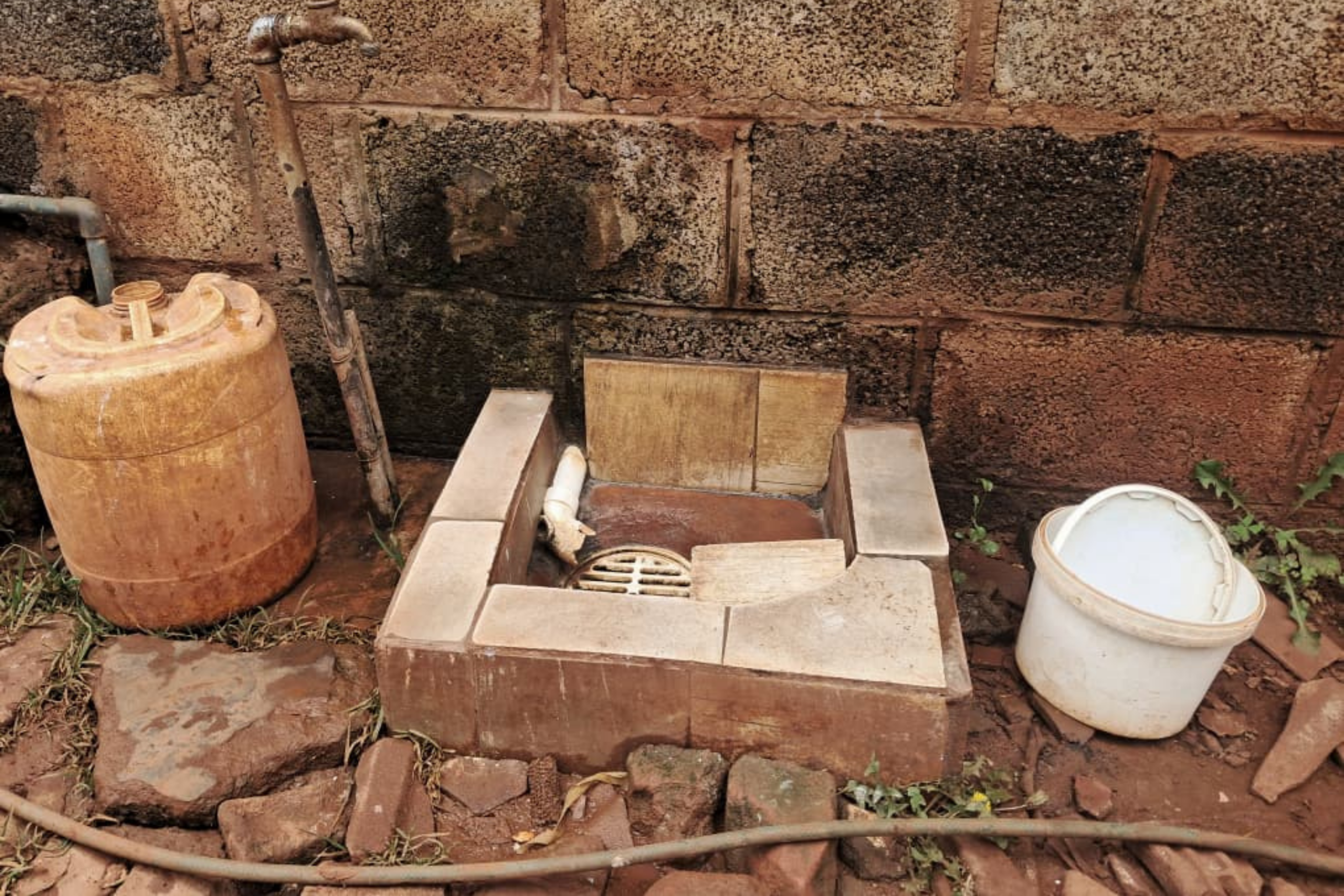
However, new community initiatives have started to ease the burden. In areas such as Yellow Close and the Cabs area, water taps have been installed in some households, reducing the need for people to travel long distances for water. Mrs Vingirai said the introduction of these taps has made a big difference for many families.
“It is not perfect yet, but it has improved our lives. Some households can now access water closer to home,” she said.
The changes have also affected water vendors who used to sell water in bulk using trucks. Mrs Carren noted that the prices charged by water truck operators have gone down because more people now have access to nearby water points.
“When the taps started coming, the people selling water by trucks reduced their prices because fewer people were buying,” she said.
In addition to household taps, several public places in Hatcliffe are helping residents access clean water. Trevor Kaseke pointed out that water points at Hatcliffe Turn-Off Shopping Centre and some schools have become important sources of water for the community.
“At places like Hatcliffe High School and Hatcliffe 2 Primary School, people can access clean water. These places are helping many families,” he said.
Community members say these efforts show that progress is possible even when challenges remain.
With Hatcliffe’s population continuing to grow, more initiatives are being introduced to improve water access. Boreholes are still being drilled in different areas to help meet the rising demand for clean and safe water.While the water shortages remain a serious concern, residents say the improvements over the past few years give them hope.
Through community cooperation, new water points, and ongoing projects, Hatcliffe residents are slowly building solutions that bring them closer to reliable and safe water for all.