
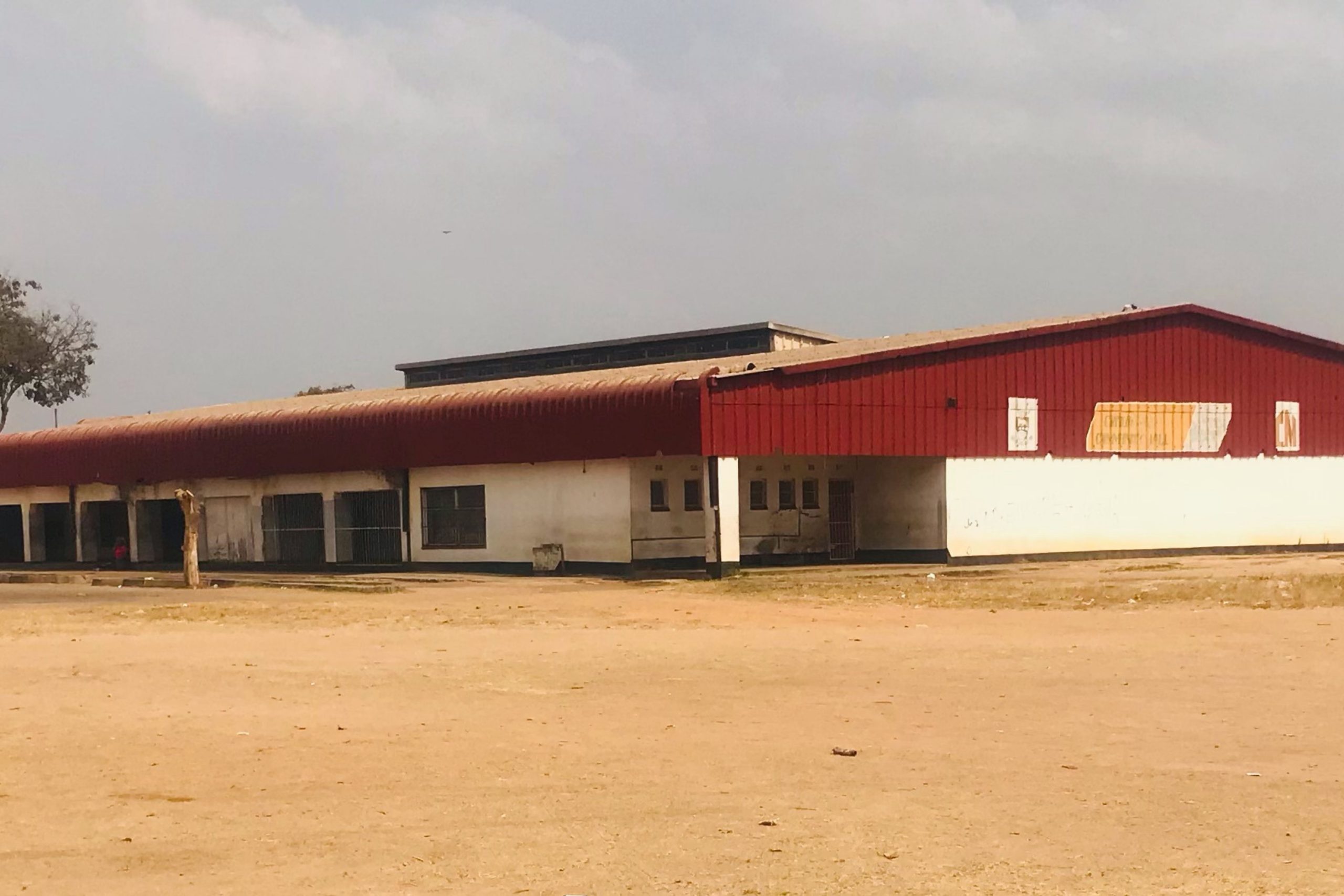
As the afternoon sun settles over Chitungwiza, laughter echoes from a busy sports ground in Unit L. Children chase a football across the field while parents chat from the sidelines. Nearby, a group of women tend to a flourishing community garden, exchanging gardening tips and stories from their day. These simple scenes reflect a growing movement that is strengthening community bonds across the town.
In a world where technology and busy schedules often keep people apart, shared community spaces in Chitungwiza are becoming important places where residents connect, collaborate and build lasting relationships.
For many residents, community halls, sports grounds, gardens and recreational parks are more than just physical spaces. They are places where friendships are formed, talents are nurtured, and neighbourhood challenges are solved collectively.
“We used to hardly know our neighbours,” said Mrs Dube, a resident of Unit L. “Now, through activities at the community garden, we meet regularly, share ideas and even help each other during difficult times. We have become like one family.”
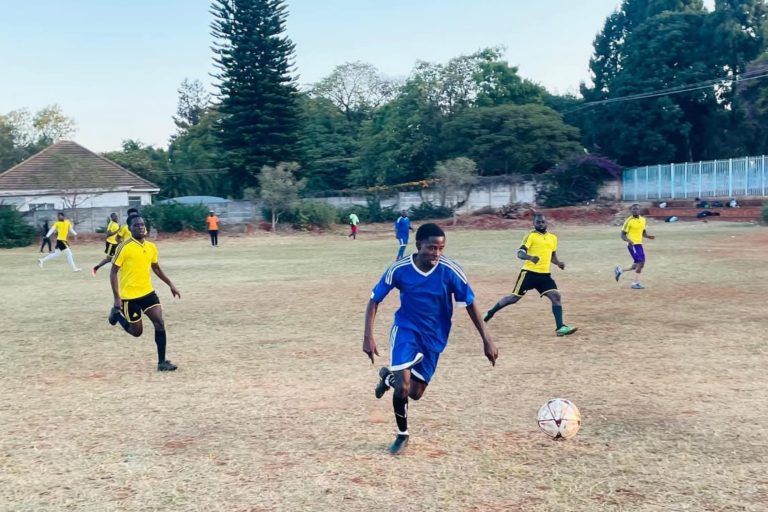
The community garden has transformed an unused piece of land into a productive and vibrant space. Residents work together to grow vegetables, improve food security and generate small incomes. More importantly, the project has created a sense of ownership and pride among community members. Sports grounds are also playing a vital role in bringing people together. Every weekend, young people gather for football and netball matches that attract spectators from surrounding neighbourhoods. These events provide healthy recreational opportunities while strengthening social connections among residents.
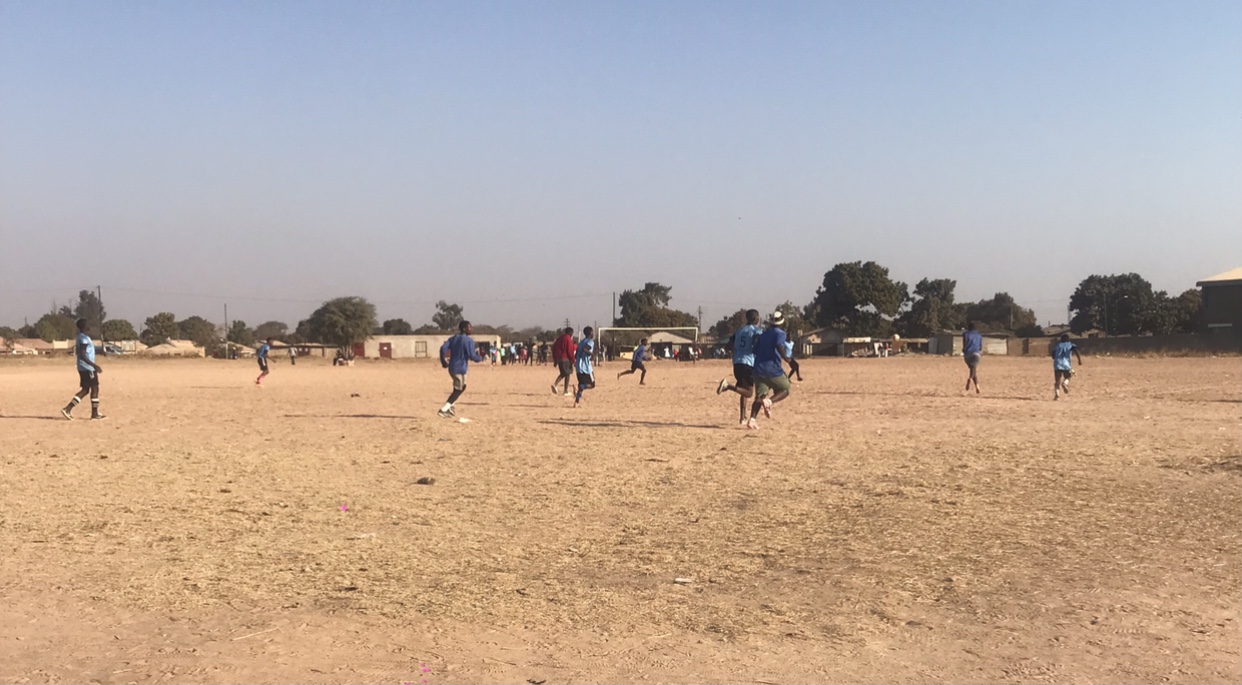
For 19-year-old football player Tawanda Moyo, the local sports ground has become a place of growth and inspiration.
“Playing football keeps us active and focused,” he said. “It has helped us make friends from different areas and learn teamwork. We encourage each other to stay away from drugs and negative influences.”
Community halls are equally important in fostering unity. They host meetings, training workshops, church gatherings, youth programmes, and cultural events that allow residents to engage with one another and discuss issues affecting their communities.
Community leader Mr Chikore believes these spaces are helping to build a stronger sense of belonging.
“When people have places where they can meet and interact, they begin to trust each other more,” he explained. “They work together to solve problems and support community development initiatives.”
The positive impact extends beyond social interaction. Local organisations and development groups are increasingly using these spaces to provide educational programmes, health awareness campaigns, skills training workshops and youth empowerment activities. Residents say the shared spaces have created opportunities for people of different ages, backgrounds, and experiences to work together toward common goals.
Children participate in sports and educational activities, young people develop leadership skills, adults engage in income-generating projects and elderly residents share valuable knowledge and life experiences with younger generations. Social development experts note that strong communities are built when residents regularly interact and participate in collective activities. Shared public spaces create opportunities for these interactions to occur naturally, helping to strengthen social cohesion and community resilience.
Across Chitungwiza, the growing use of community spaces demonstrates how simple initiatives can have a powerful impact. What were once ordinary grounds, halls and vacant plots are becoming centres of connection, cooperation and hope. As residents continue to gather, play, learn and work together, these shared spaces are helping to create a stronger and more united Chitungwiza, one conversation, one game and one community project at a time.