

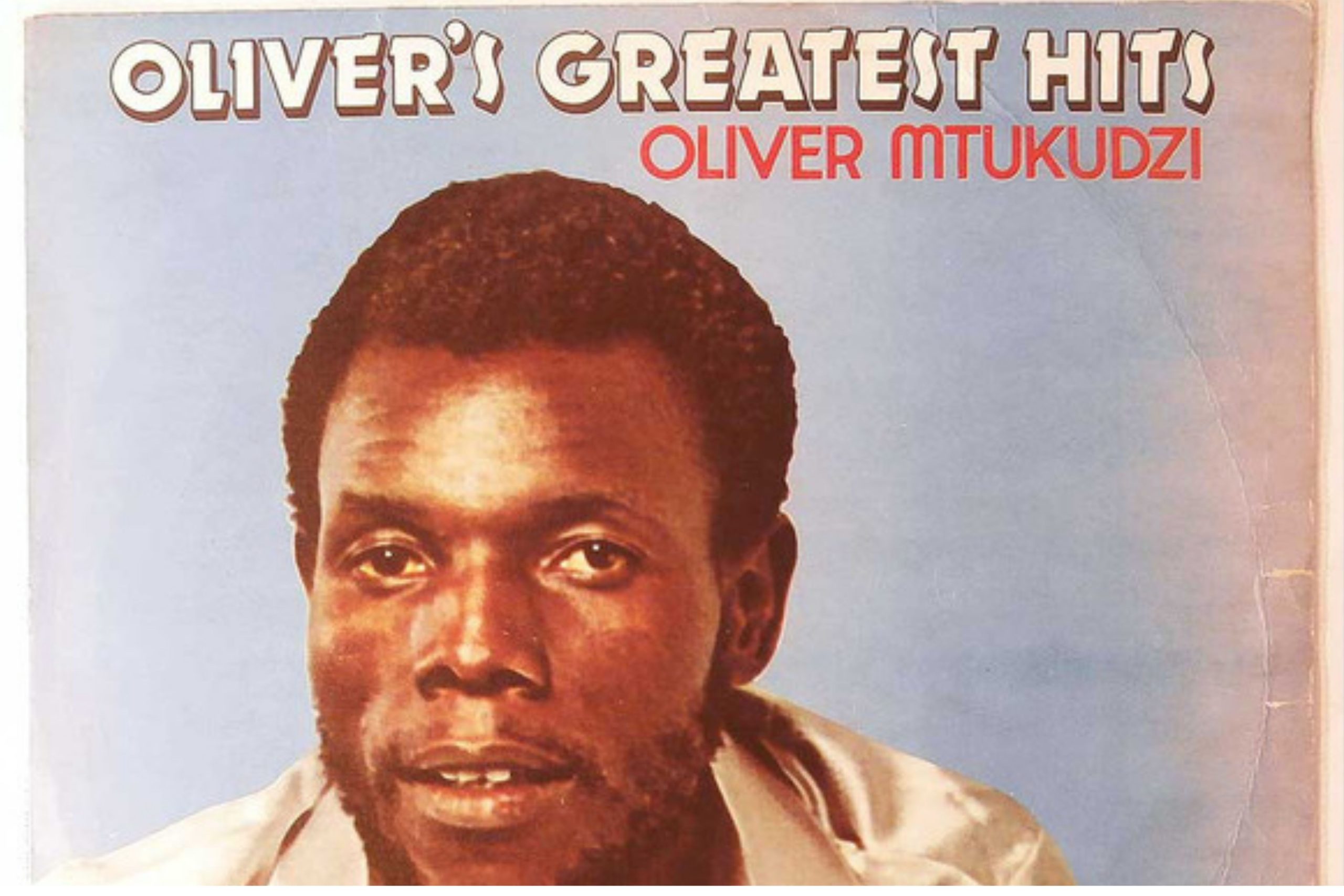
Highfield has long been celebrated as a cradle of Zimbabwean music and cultural expression. The high-density suburb, formerly known as Highfields Farm, produced some of the country’s most legendary artists, including the late Dr Oliver Mtukudzi, Marshall Munhumumwe and the Four Brothers, as well as the late James Chimombe.
For decades, music flowed naturally from the township, shaping national identity and giving voice to everyday life. However, with the passing of many of these icons, residents now question whether Highfield’s once-vibrant musical spirit has faded.
“Youths these days don’t sing. We can’t listen to obscene music and language being sung by our sons and daughters,” said Highfield resident Takudzwa Marimo. “Music is a seed; it needs maturity too,” he added. “Ghetto youths need to learn to sing what really captivates them, and us, the old music lovers.”
Community members often find themselves reminiscing about a time when music felt deeply rooted in lived experience and shared values.
“Soul Jah Love grew up here in Fio. The same problems they are facing, he faced them too,” Marimo said. “With those same problems, he was able to touch lives and break records in his time. If he were still alive, I believe he would say, ” young man, dreams and passion conquer all, as long as you have faith and a gift too. You can do wonderful work.”
Club Joy Centre in Highfield was once known for giving emerging musicians a platform to perform. Today, however, the venue is largely dominated by sungura acts, with fewer young artists stepping forward, something community members attribute to waning passion and limited opportunities.
Economic hardship has further compounded the challenges. Many aspiring musicians are unable to afford studio sessions, leaving their dreams suspended.
Tadiwa Mazere, known within his small music circle as Takz, shared his struggle.
“Music is my hope and faith. I sing music because it brings my inner self alive,” he said. “For us to sing, we need money for studio sessions. Everything leads back to money,” Mazere explained. “With the coming of social media, competition is stiff, but you cannot just wake up having a record label.”
Despite the obstacles, Mazere remains hopeful.
“My hope might be shattered, but my faith remains in the distant future of me singing and remaking history in the ghettos where I come from.”