
In the early hours, outside OK Supermarket in Machipisa, a parked car doubles as a shopfront. T-shirts and trousers hang from its doors, drawing the attention of passersby. It is not an unusual sight in Highfield, where commerce often emerges wherever there is foot traffic. What stands out is the confidence of the display and the certainty that there is a market waiting.
For Tafadzwa Chidawo, the owner, the decision to sell from a parking space was practical. He had watched young people from the neighbourhood invest time and money into how they dressed, often travelling into the Central Business District (CBD) to shop.
“I realised they didn’t need to go into the CBD,” he says.
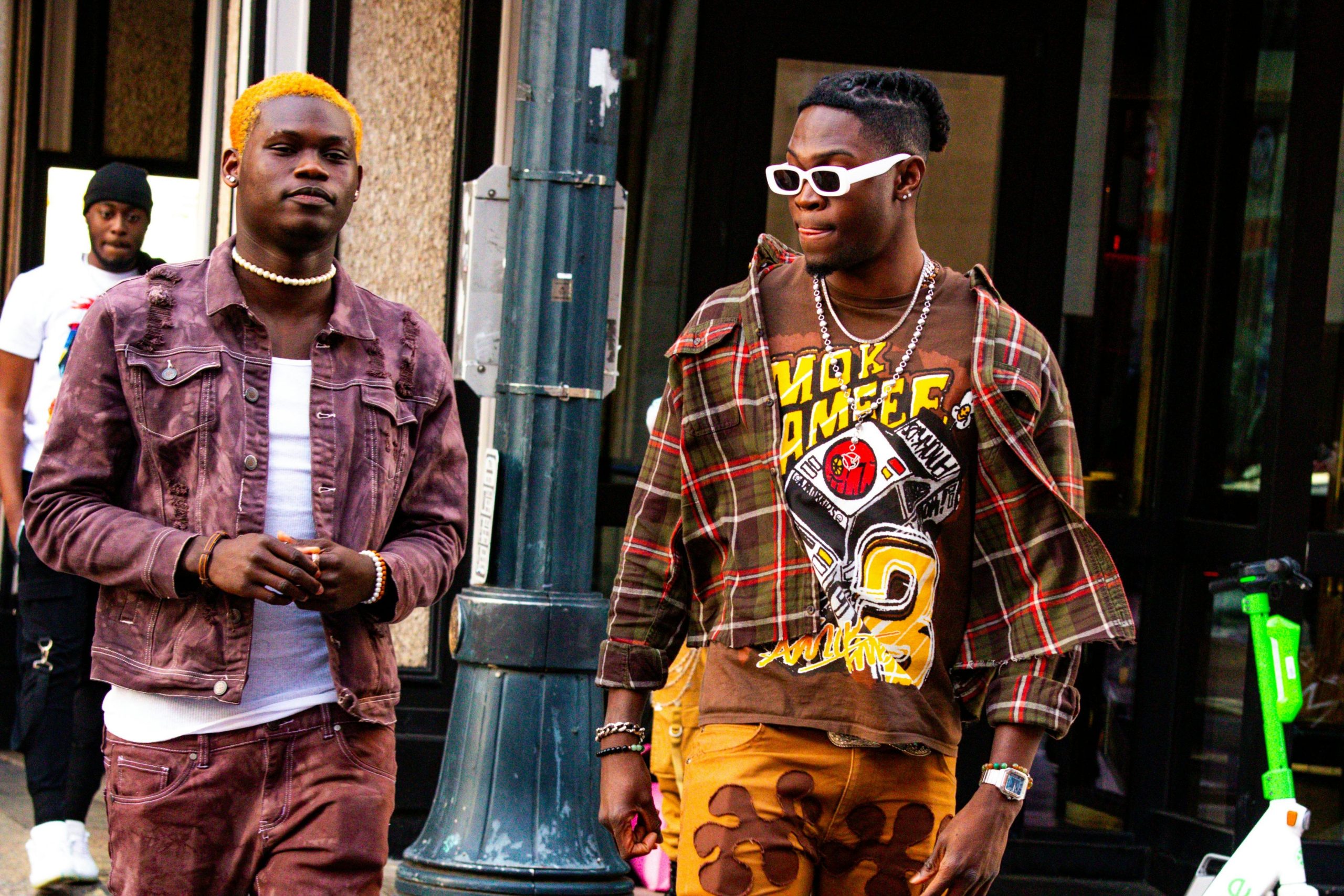
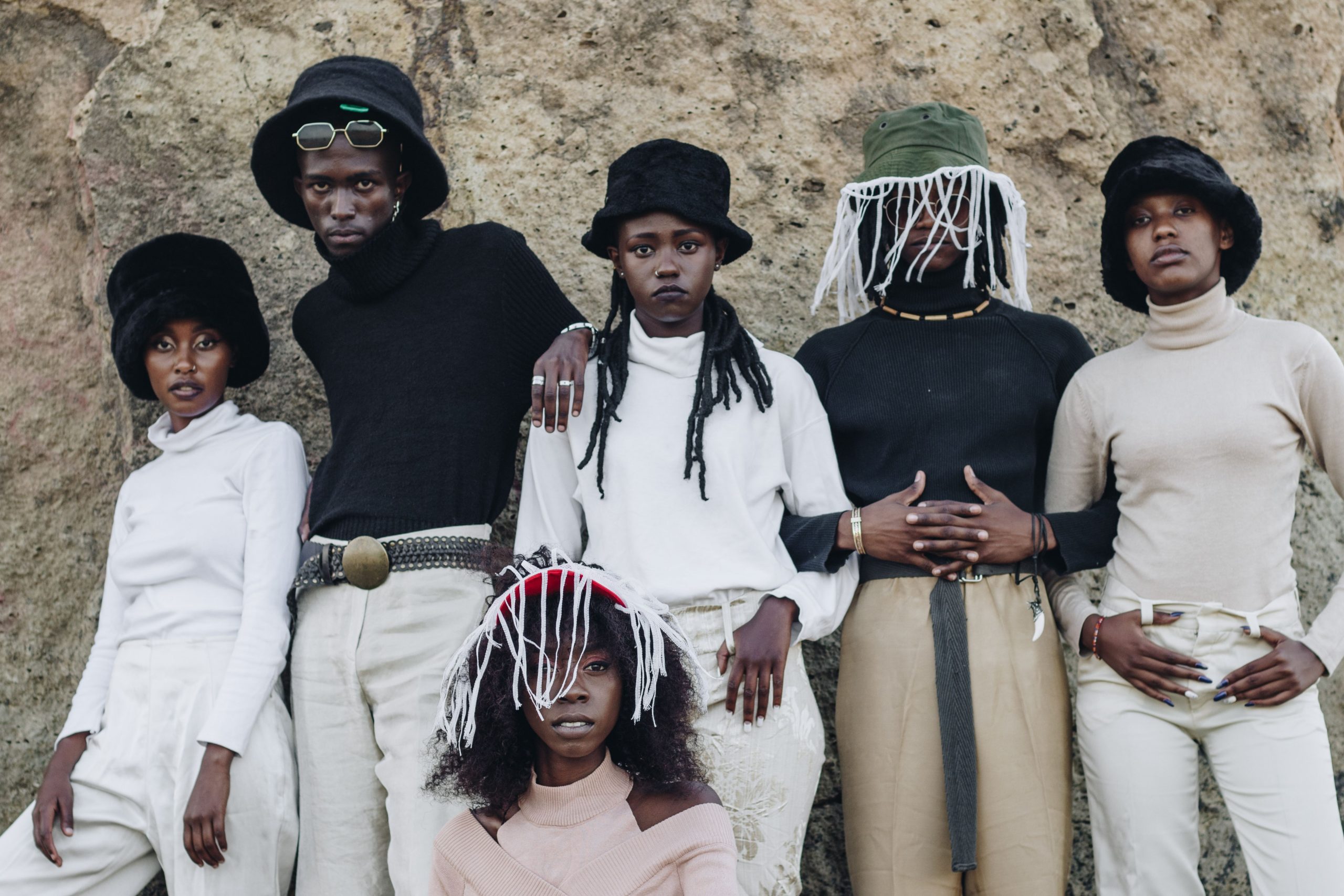
Fashion in Highfield is shaped by proximity to music, to images, to each other. Western hip-hop culture plays a visible role, with artists such as Drake and Lil Baby referenced not just for their sound, but for their style. Music videos circulate quickly on phones, offering a steady visual language of chains, oversized silhouettes, branded trainers, and carefully styled hair.
“Music is key to our lives. It directly influences the mind. I can not deny that my favourite artist influences me to wear neck chains,” Chidawo said.
This influence is not new. Previous generations also borrowed cues from the music of their time. What has changed is the speed and reach of images, and how quickly they are absorbed into everyday dress.
The term “drip,” now common in youth vocabulary, describes more than simply wearing expensive or branded clothing. It signals coherence: the ability to assemble an outfit that feels intentional. For John Mapepe, style is not about imitation, but alignment.
“Fashion has to feel you,” he says. “Yes, music influences, but fashion feels.”
In Highfield, this sensibility is visible in the details: Nike trainers in bold colourways, Trapstar T-shirts, baggy jeans paired with cropped skirts, and accessories chosen with care. Small township shops respond quickly, stocking items that reflect what young people are already wearing and wanting.
Not everyone views these shifts without hesitation. Older residents observe the changes with a mix of curiosity and concern. For Chipo James, who grew up with different markers of elegance, today’s fashion feels unfamiliar.
“In our days, fashion was something else. Dressing nicely was not necessarily about wearing something revealing or something with too many colours. You did not need to wear baggy jeans or a mini skirt to show that you are a gentleman or a lady,”’ she said.
Her observation points to a broader truth: fashion is always generational, and often contested. What one group reads as expression, another may see as excess.
Yet youth fashion in Highfield is not simply about rebellion or trend-following. It is about presence, about being seen within constrained economic and spatial realities. It is about claiming visibility in places often defined only by lack.
As fashion continues to shift, one thing remains constant: style is never just about clothes. It is a language, shaped by music, memory, aspiration, and place. In the townships, that language is spoken daily, on street corners, in supermarket parking lots, and through the bodies of young people insisting on being noticed.