

The air is sombre, and families are heartbroken; a loved one has departed, and the community does not only offer a shoulder to lean on. It also carries a reminder of how the deceased lived their life.
In this piece, Crooked Lanes delves into a distinct ritual tied to mourning culture, with a focus on Highfield township, where residents revealed that the celebration of life differs, based on who the person was, the people they knew and the life they lived.
This story seeks to reveal what the community already knows but rarely tells in full.
1.The Bar Hopper
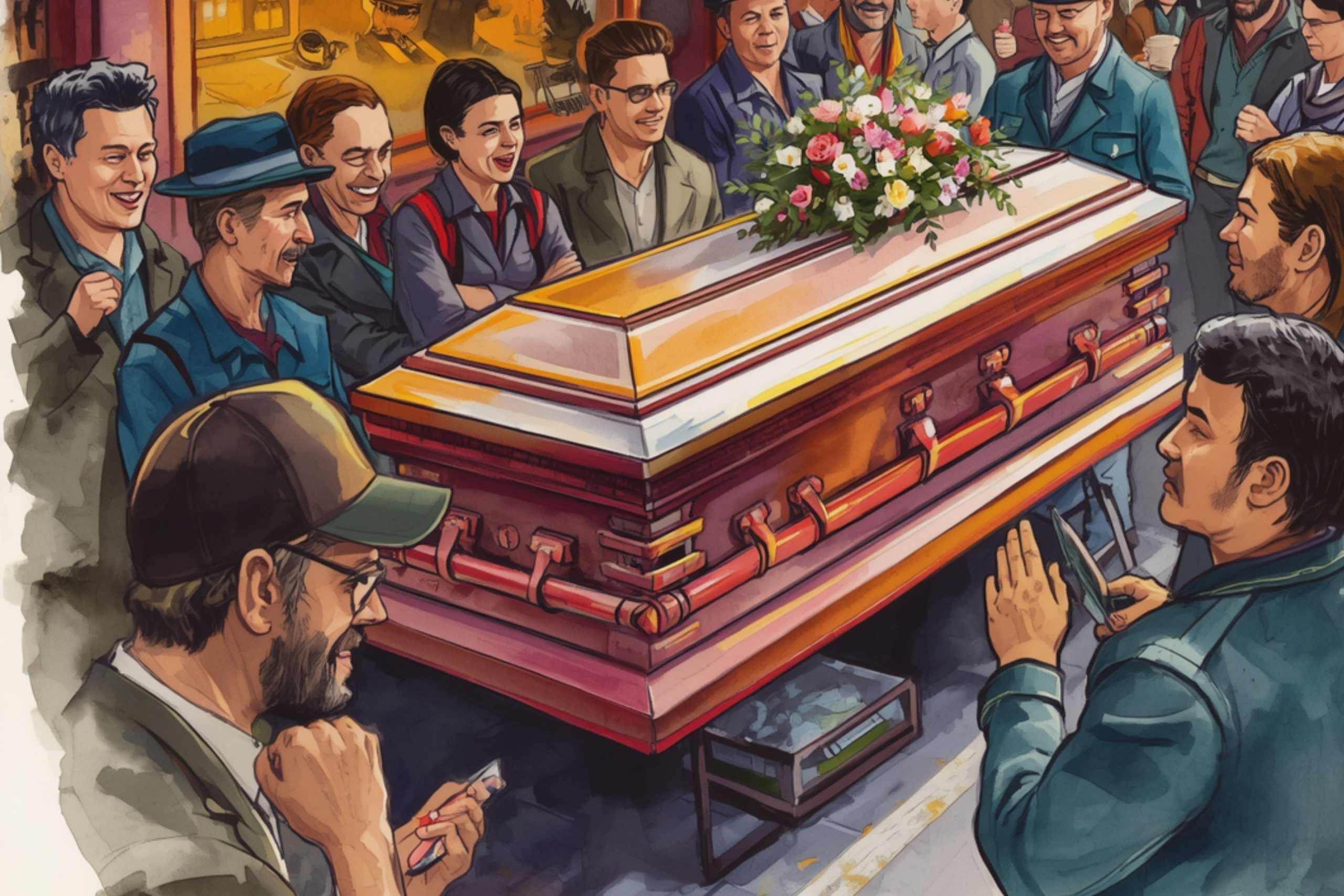
In other communities, some mourners pour expensive alcoholic beverages into a grave, as a final tribute to a drinker. In New Canaan, a part of Highfield, a similar ritual is followed. Residents take the deceased body of a beer lover to their favourite beer hall before the funeral procession. The coffin becomes part of the gathering. Friends sing, drink and remember the deceased in the very places where he spent much of their life.
A resident who spoke to Crooked Lanes Media on condition of anonymity said the culture has existed for as long as he could remember.
“For about 26 years, I have known that a person is sent off with his own works. And for a beer lover, it has been popular in the ghetto. When the body comes with a funeral parlour, his friends take the body before it enters the home and go with it to his favourite chill place,” he said.
They take rounds with the body, singing, joking and sometimes using the same rude words that characterised their friendship.
For Takudzwa Mare, a New Canaan resident, the practice is about honesty.
“It brings back memories and sends a person to celestial home with truthfulness,” he said. “Imagine knowing that you were a bar hopper, but we mourned you like a pastor. That is not right. We mourn you with dignity and pride for how you lived your life.”
2. The Touts
Then there are the touts, the men whose voices became part of the soundtrack of the township. They call for passengers, negotiate fares, shout destinations and know almost every commuter who passes through their territory. When one of their own dies, the mourning becomes a moment reminiscent of their work. It is a practice which the police have discouraged touts from following, but this has fallen on deaf ears.
Their colleagues carry the body and put it on top of a kombi (commuter omnibus), and they speed the body to his workplace. A procession carrying a fallen tout can be seen speeding off on a busy road. One tout, speaking of the mourning tradition following the passing of their colleague, said, “You see, this is one of ours. This one belongs to us. That’s the pattern: we just throw him/her on top [of the commuter omnibus], and then we mourn them. We are their relatives”, he said.
3. The Women of the Night
For women who survived through sex work, a similar kind of remembrance follows. Obscene language rules the day. Other women who were their workmates come to celebrate life in what some deem a disgrace to society.
In an interview, in Engineering, a part of Highfield near Machipisa Shopping Centre, Kudakwashe Moyo said these funeral rites need to be stopped.
“We are exposed to obscene language and scenes. What was private business becomes public to everyone, he said.”
Different from bar hoppers, the ladies of the night allow the body to enter the house. After a 6 pm service, they take full control of the funeral till the burial the next day.
Tariro, not her real name, shared her thoughts.
“You cannot really say that is obscene when they lived that way almost every day of their lives. What we really do is we gather and cordially celebrate their lives, ” she said.
In communities where people may have judged them while they were alive, their friends refuse to allow them to be reduced to a label after death. Their send-off can become a declaration that whatever society called them, they were still someone’s daughter, sister, mother, friend and neighbour.
4. The Football Fan
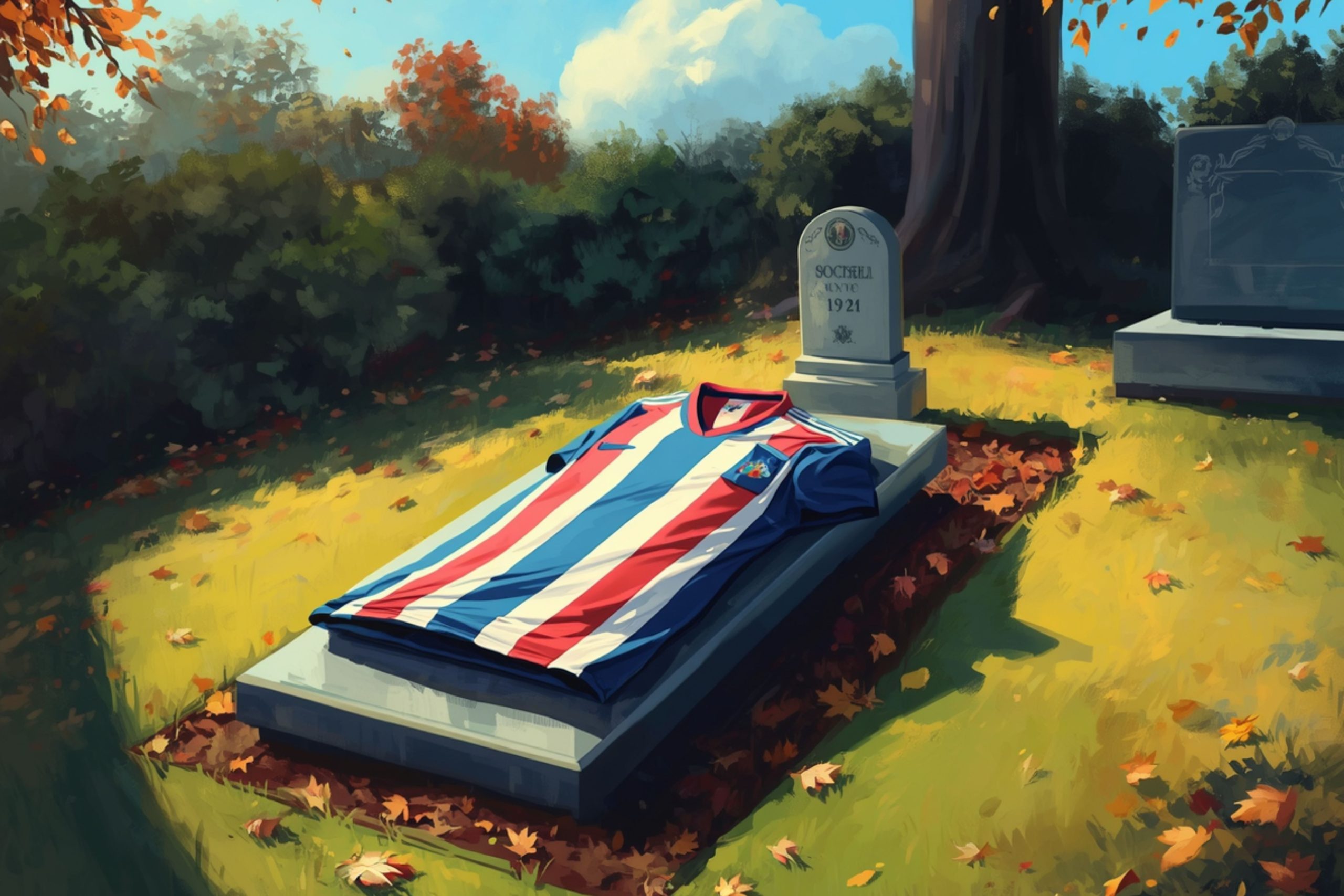
And then there is the football fanatic. For the supporter who lived and breathed football, the funeral can briefly feel like their final match. A team jersey may accompany the coffin. Songs associated with the club can replace conventional hymns. Friends remember the arguments over results, the match-day rituals and the person who could turn an ordinary afternoon into a ninety-minute emotional battlefield.
For some supporters, football was not simply entertainment.
It was identity.
So why should their final goodbye be otherwise?
The coffin of a football fanatic may carry the colours of the team they loved, a final reminder that even in death, the ghetto remembers what made them come alive.
These rituals may appear strange to outsiders, but to the people who live them, they are not about disrespecting the dead.
They are about refusing to rewrite their lives simply because they have died.
The pastor may lead the funeral service. The family may deliver the eulogy. The church may sing the hymns. But before the grave closes, the ghetto sometimes wants one last word, in remembrance of their loved one, just as they lived.