
On the first Friday of every month, Chitungwiza Unit L residents gather with brooms, rakes, and refuse bags in hand. Children help collect plastic bottles while adults clear litter from nearby streets and drainage channels. What began as a small community clean-up campaign has grown into a movement that is changing not only the appearance of neighbourhoods but also the mindset of residents towards environmental responsibility.
As climate change and waste management challenges continue to affect urban communities across Zimbabwe, Chitungwiza residents, schools, community organisations and local authorities are increasingly working together to promote cleaner surroundings, encourage recycling and reduce open burning. Their efforts are proving that community action can play a significant role in building a healthier and more sustainable future.
For years, uncollected waste and illegal dumping sites have been a concern in many parts of the town. During the rainy season, blocked drainage systems often contribute to flooding, while the burning of rubbish releases harmful smoke into the air.
However, many residents are choosing to focus on solutions rather than problems.
“We realised that keeping our environment clean starts with us,” said Mrs Moyo, a resident who regularly participates in community clean-up activities. “If everyone takes responsibility for their surroundings, we can make Chitungwiza a better place for our children.”
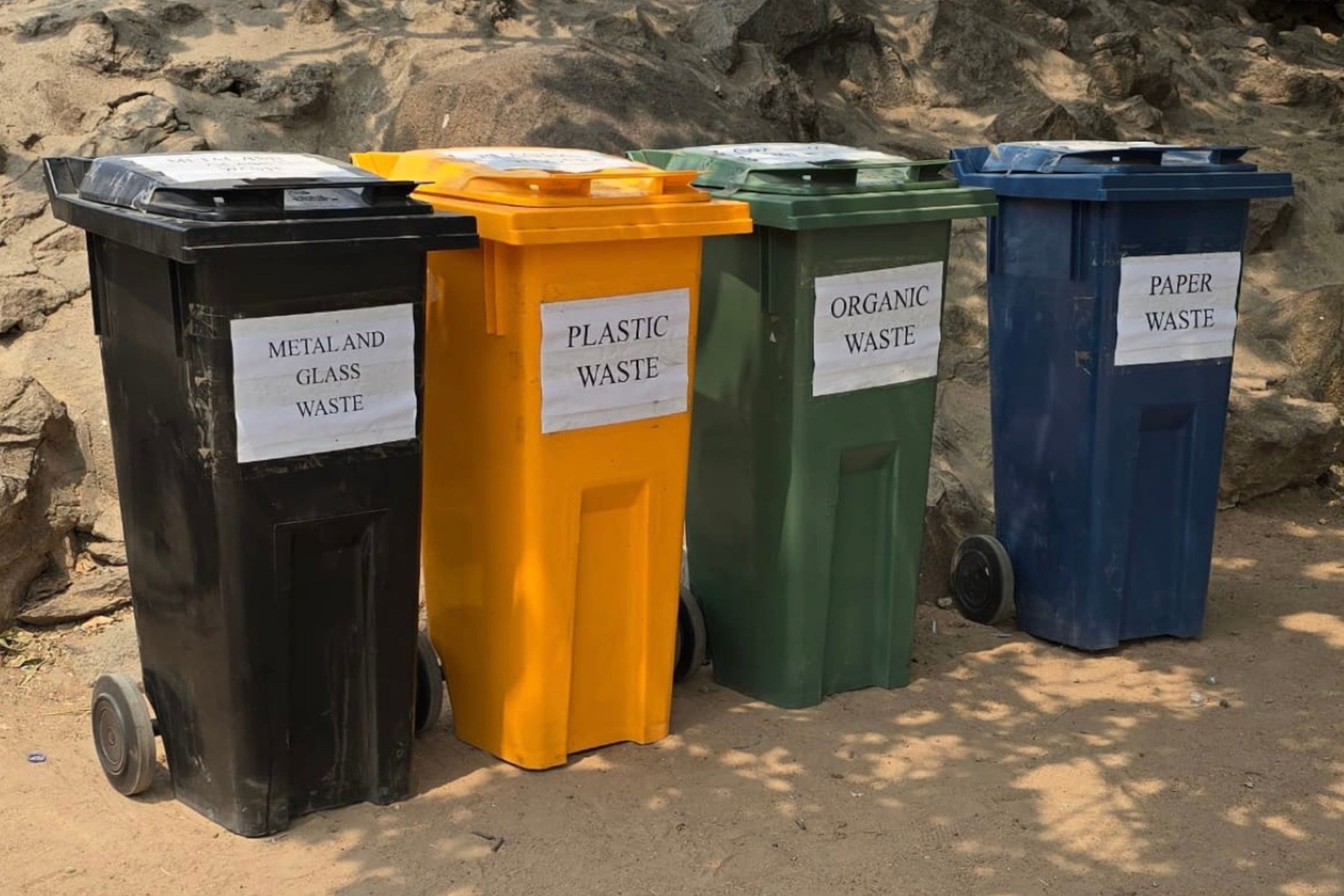
Across the town, environmental awareness campaigns are encouraging residents to separate waste and dispose of it responsibly. Community groups have been educating households on the importance of reducing, reusing and recycling waste materials. At several schools, environmental clubs are helping young people develop sustainable habits from an early age. Learners collect recyclable materials, plant trees and participate in clean-up exercises within their communities.
“Our pupils are becoming environmental ambassadors,” said Mr Ncube, a teacher involved in one of the school programmes. “They take what they learn at school back to their homes and encourage their families to keep the environment clean.”
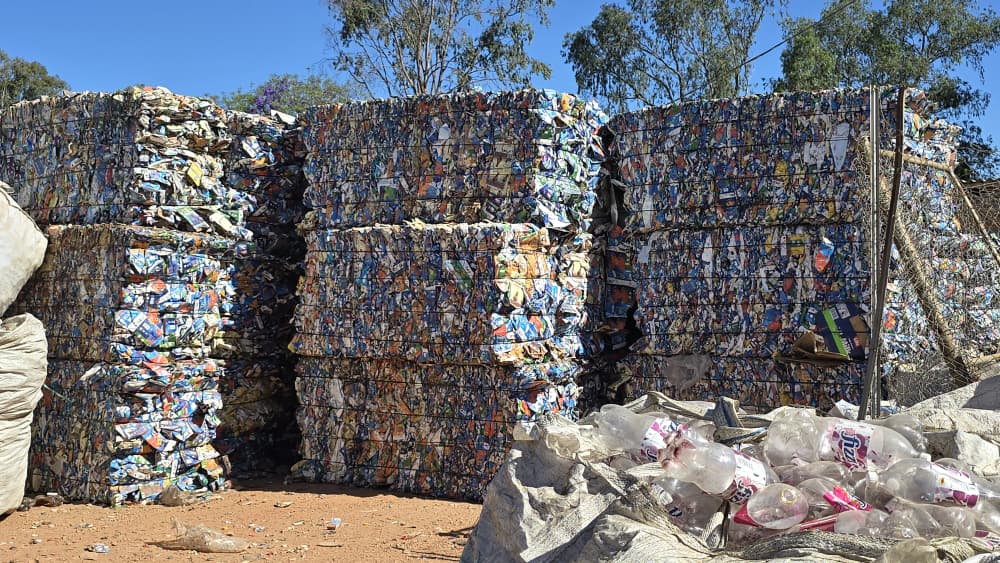
Environmental experts say such initiatives can have long-term benefits for both public health and climate resilience. Proper waste management reduces pollution, prevents the spread of diseases and helps communities adapt to the effects of climate change. Community-based organisations have also joined the effort by conducting awareness campaigns on the dangers of open burning. Residents are being encouraged to explore safer methods of waste disposal and to support recycling initiatives whenever possible.
Meanwhile, local authorities have welcomed the growing involvement of residents in environmental programmes. Officials believe partnerships between communities and government are essential in addressing waste management challenges effectively.
“The responsibility of creating a clean town does not rest with one group alone,” said a local environmental officer. “When residents, schools, businesses and local authorities work together, the impact is much greater.”
The positive results are already visible in some areas. Streets that were once littered are cleaner, illegal dumping sites are being reduced and more residents are taking pride in maintaining their neighbourhoods. Although challenges remain, the determination shown by the people of Chitungwiza demonstrates that meaningful change is possible. Through cooperation, education and community action, residents are proving that a cleaner and greener future is within reach.
For many, the transformation is about more than waste management; it is about building a healthier community, protecting the environment and leaving a positive legacy for future generations.