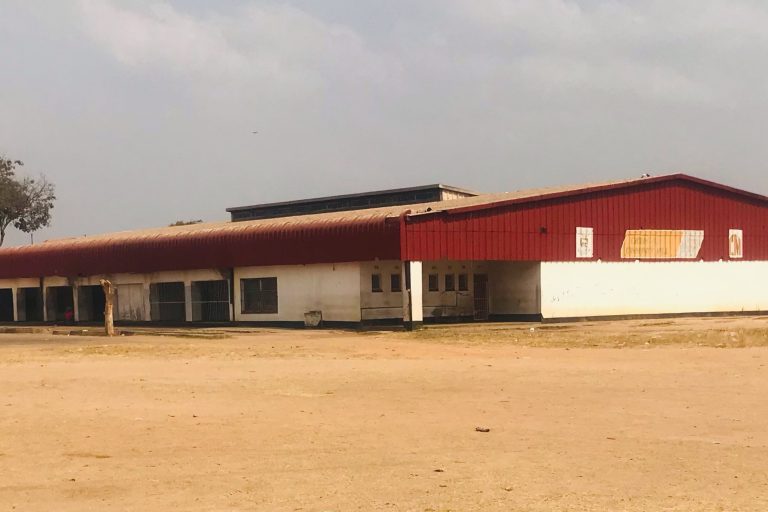

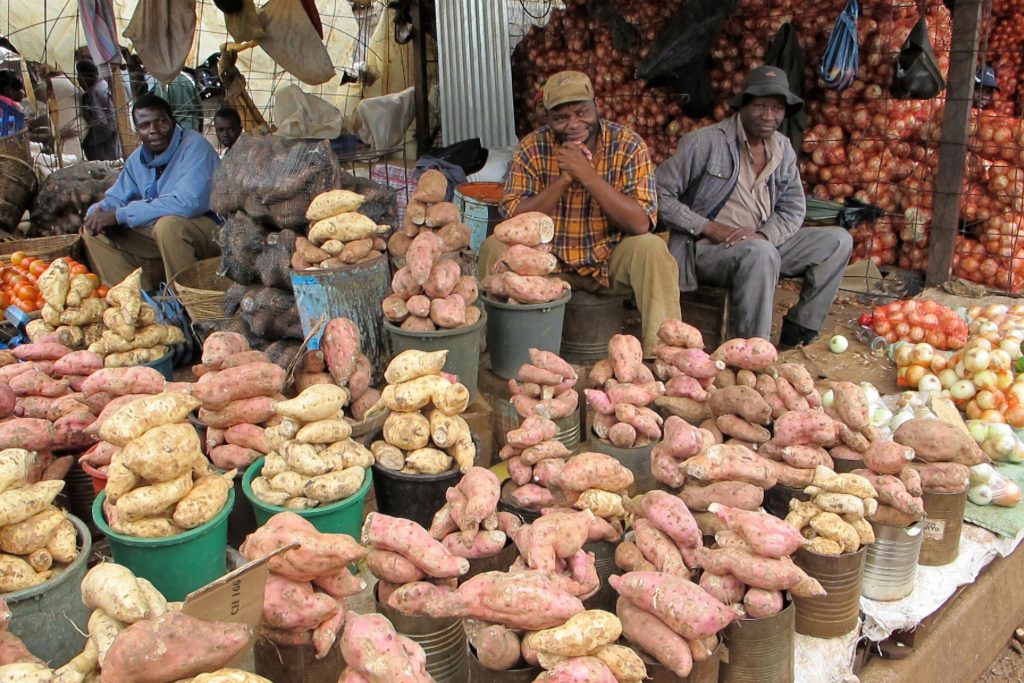
Mbare Musika Market stands as one of the most vital economic and social nodes in Zimbabwe’s urban ecosystem. Strategically located in Harare, it functions as the country’s primary wholesale agricultural market, linking rural producers with urban consumers at scale.
However, its rapid growth and overpopulation have inadvertently created significant environmental health challenges.
This article delves into the historical development of Mbare Musika, its economic impact, and the pressing environmental health concerns faced by its community.
Mbare Musika was originally established in the 1930s by the colonial regime in Rhodesia to serve as a designated market for communal farmers to sell agricultural produce to urban dwellers. It underwent significant expansion in the 1940s to accommodate the growing population and demand for fresh produce. Following Zimbabwe’s independence in 1980, the market relocated to a larger area, reflecting its increasing importance in the national food supply chain. Today, it remains the oldest and largest fresh produce market in Harare, a testament to its enduring role in the city’s economic landscape.
The market’s economic footprint is substantial. Dhewa (2016) estimated that approximately 1,000 farmers visit Mbare Musika daily, supplying produce to around 5,000 traders. Collectively, these operations ensure food supply for an estimated 4.2 million people. A survey by the Ministry of Small and Medium Scale Enterprises and Cooperatives Development revealed that roughly $1 million in cash circulates daily within the market, highlighting its immense contribution to the informal economy. The shrinkage of formal employment opportunities has further fueled the growth of informal trading, leading to an increased population density within the market and surrounding areas.
The rapid expansion and overpopulation of Mbare Musika have, however, come at a significant environmental health cost. The area has long grappled with challenges such as inadequate accommodation, poor sanitation facilities, and even theft of produce, as noted by Chikulo (2020). These conditions have created a fertile ground for the proliferation of waterborne diseases. The market and its environs have experienced recurrent outbreaks of cholera, typhoid, and more recently, COVID-19.
Specific outbreaks include:
- Cholera: Recorded in 2018 and a protracted outbreak from February 12, 2023, to August 9, 2024. The World Health Organization (WHO) declared this outbreak over on August 9, 2024, after 18 months of response, which saw 34,549 suspected cases and 718 deaths across all 10 provinces of Zimbabwe [1].
- Typhoid: Recorded from October 21, 2016, to October 2017.
The primary drivers of these outbreaks have been identified as the contamination of water sources and severe sanitation issues, exacerbated by uncollected garbage.
The human impact of these conditions is profound, as evidenced by the testimonies of those living and working in Mbare. Mr Mudzambwa, a trader and resident of the Matererini flats in Mbare, recounts witnessing numerous cholera cases over the years, attributing much of the blame to the conditions at Mbare Musika. Tafadzwa, a young trader, expressed his apprehension about consuming prepared food at the market, a fear stemming from a personal experience with a running stomach in 2025.
Rodwel, a jagger, emphasized the negative impact of uncollected garbage, stating that “with the overpopulation, anything can happen.” However, Mai Rony, another trader, offered a glimmer of hope, noting that Geo Pomona’s waste collection efforts are a positive development, though “it’s not yet enough” and requires “more efforts.”
Mbare Musika is a vital economic artery for Harare, yet its success is shadowed by severe environmental health challenges. The historical context reveals a market that has grown organically, often outpacing the development of essential infrastructure. The testimonies of traders and residents underscore the urgent need for improved sanitation, waste management, and accommodation to mitigate the risks of disease outbreaks. While initiatives like Geo Pomona’s waste collection offer a promising start, sustained and comprehensive efforts are crucial to ensure that Mbare Musika can continue to thrive as an economic hub without compromising the health and well-being of its community.