

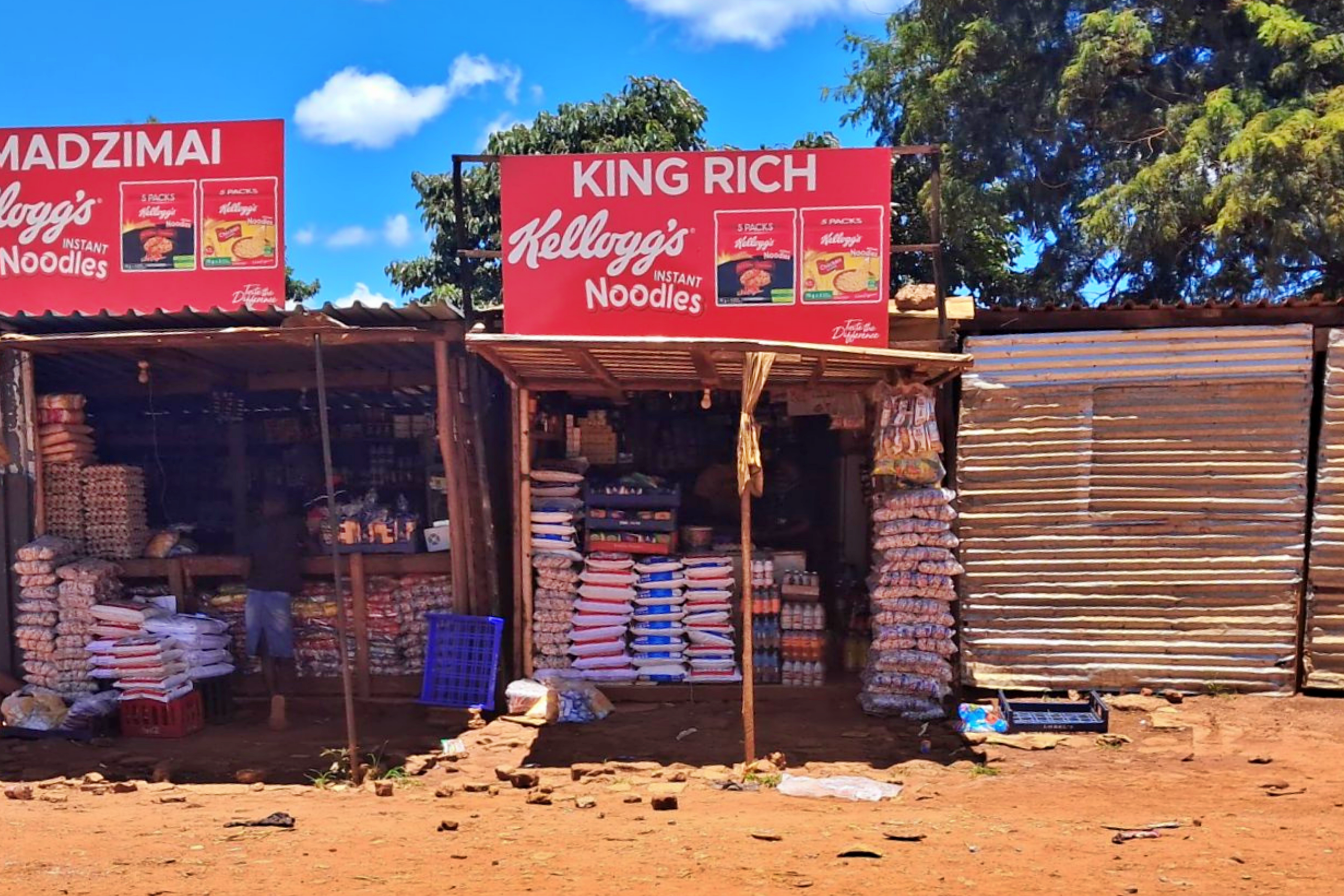
Hatcliffe, a former farm worker settlement area, is a high-density suburb in Northern Harare. The suburb was developed in two phases: Old Hatcliffe, established in 1920, and the new area known as Hatcliffe Extension, established in 1999. It is characterised by a mix of established residential areas, informal settlements (Hatcliffe Extension/Consortium), and a vibrant commercial hub.
Over the past four years, Hatcliffe has experienced a sharp rise in commercial development driven by rapid population growth, a transformation reshaping livelihoods for both formal and informal traders.
Hatcliffe is among the fastest-growing high-density suburbs in the capital, with increasing demand for economic and commercial infrastructure. Hogherty Hill, a low-density suburb located approximately 2.8km from Hatcliffe, has become a key service hub, attracting customers from Hatcliffe, Borrowdale and Domboshava for services such as money transfers, pharmacies and food outlets.
Major supermarkets such as TM Pick n Pay, along with service stations, pharmacies and fast-food outlets at Hogherty Hill, have been welcomed by residents as a milestone in local economic development. The growth has improved access to goods and services while boosting confidence in emerging entrepreneurship within the community.
Yet beneath the surface of this commercial expansion lies a more complex reality.
Informal Traders Hold Their Ground
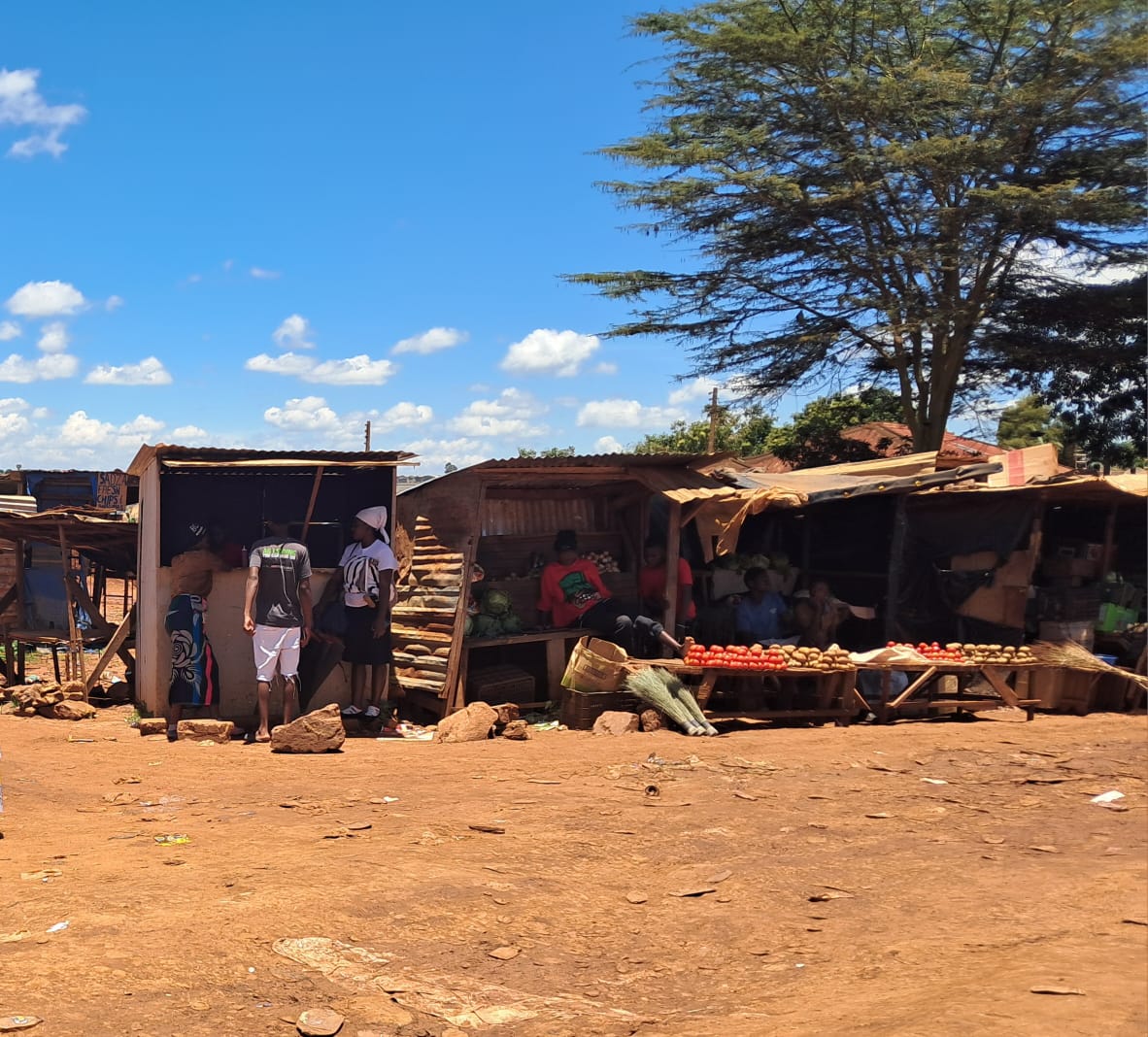
Most Hatcliffe residents depend on informal activities such as carpentry, small food outlets and the sale of fresh farm produce. The Hatcliffe Dust Farmers Market remains a major trading point, drawing buyers from surrounding areas.
Some informal traders say the arrival of supermarkets has not yet posed a major threat. Tendai Chisiko, a tuckshop and entrepreneur from the Mubayiro in Hatcliffe area, said tuckshops remain relevant because of affordability.
“My customers are my neighbours,” Chisiko said. “What separates us from supermarkets is price. People buy here because it’s cheaper.”
However, Chisiko said inflation and economic instability could slow development. “The government must stabilise the economy so both formal and informal businesses can continue operating,” he said.
At Hatcliffe Dust Market, farmer Uncle Tino said while population growth has increased demand for fresh produce, rising costs remain a challenge.
“Inputs and transport are expensive,” he said. “Small farmers should be supported with affordable inputs and better market facilities.”
Competing with the Franchises
Along a busy road near Hogherty Hill, informal trader Caroline Rupere sells fried chips for as little as US$1, an advantage she says keeps her competitive despite the presence of established food outlets such as Nando’s, Chicken Inn, Steers and a local outlet, Grill Spot.
“People who cannot afford meals from big outlets buy from me,” Rupere said. “Chicken Inn prices start from around US$3, but here even a dollar can get you food.” She urged authorities to “provide affordable licences and proper vending spaces for roadside traders.”
The commercial growth has also created opportunities for new entrepreneurs. Peter Moyo, who sells flowers along the main road, said increased traffic has boosted his sales.
“I benefit from the traffic coming to Hogherty Hill,” Moyo said. “If the council creates proper vending areas, our businesses can grow without causing congestion.”
Formal Retail Under Pressure
While informal traders navigate competition through flexibility and lower pricing, formal retailers face their own pressures.